Zion National Park Map and Guide 2018: An Overview
Zion National Park, initially a national monument, achieved national park status in 1919, becoming Utah’s premier protected landscape, offering diverse exploration.
This guide provides essential maps and resources for navigating Zion’s stunning canyons, trails, and unique geological formations during the 2018 season.
Historical Background & Establishment (1919)
Zion’s story begins long before its official designation as a national park. Indigenous peoples inhabited the area for over 12,000 years, leaving behind archaeological evidence of their rich cultures and connection to the land. The Southern Paiute people knew these canyons as Mukuntuweap, meaning “straight canyon.”
Mormon pioneers arrived in the mid-19th century, naming the area Zion, referencing the biblical haven of peace and refuge. Recognizing the area’s exceptional beauty and geological significance, President William Howard Taft initially proclaimed Mukuntuweap National Monument in 1909.
However, this initial monument was significantly smaller than the park we know today. Through advocacy and lobbying efforts, particularly by influential figures, the monument was re-designated and expanded, achieving National Park status on November 19, 1919. This pivotal moment ensured the long-term preservation of Zion’s remarkable landscapes for generations to come, marking a new era of protection and public access.
Park Geography & Geology
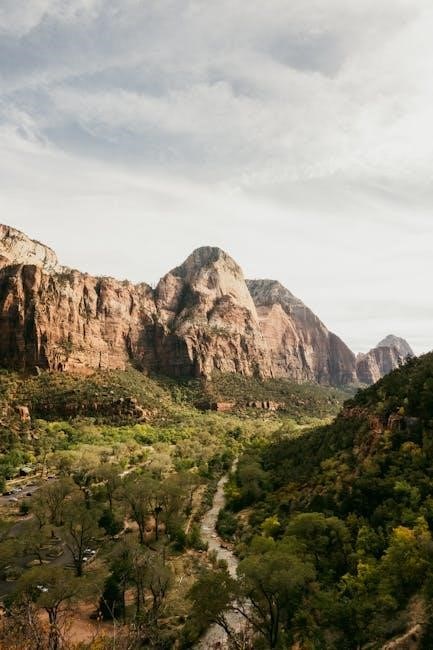
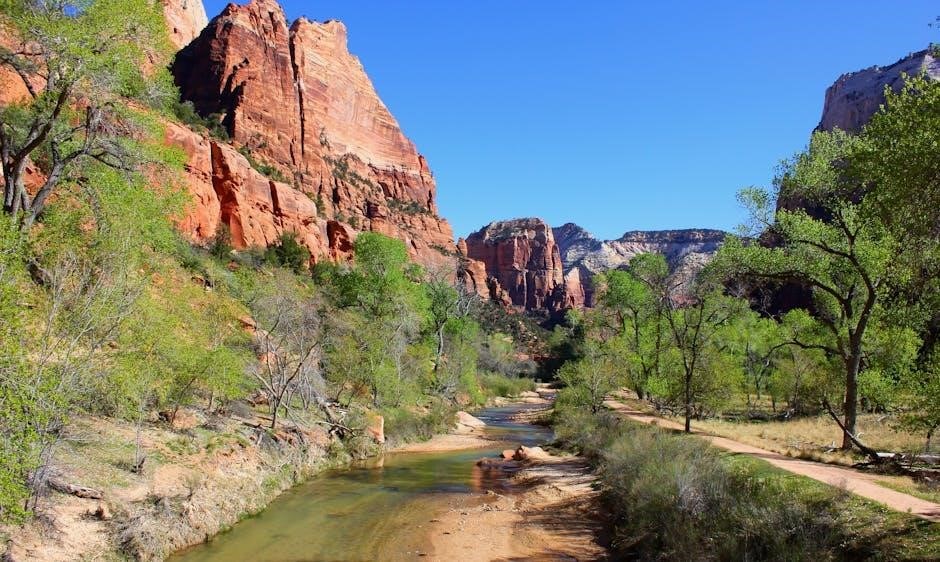
Zion National Park’s dramatic landscape is a testament to millions of years of geological activity. Primarily shaped by the Virgin River, the park’s most iconic feature is Zion Canyon, a deep and narrow gorge carved into the Navajo Sandstone. This sandstone, deposited during the Jurassic period, forms the towering cliffs and breathtaking formations visitors admire today.
The park’s geography extends beyond the main canyon, encompassing diverse ecosystems from desert landscapes to high-elevation forests. Kolob Canyons, located in the northwest corner, showcases a different facet of Zion’s geological complexity. Uplift of the Colorado Plateau and subsequent erosion played crucial roles in shaping the park’s current form.
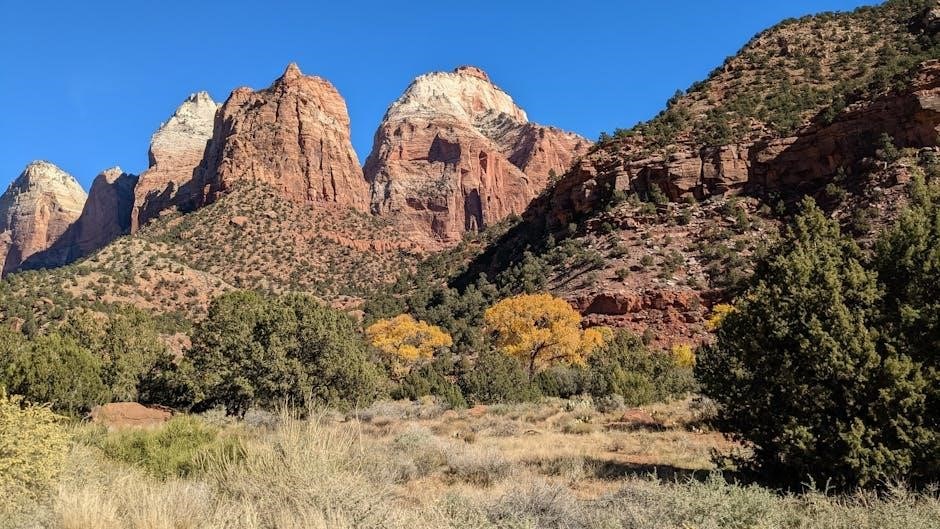
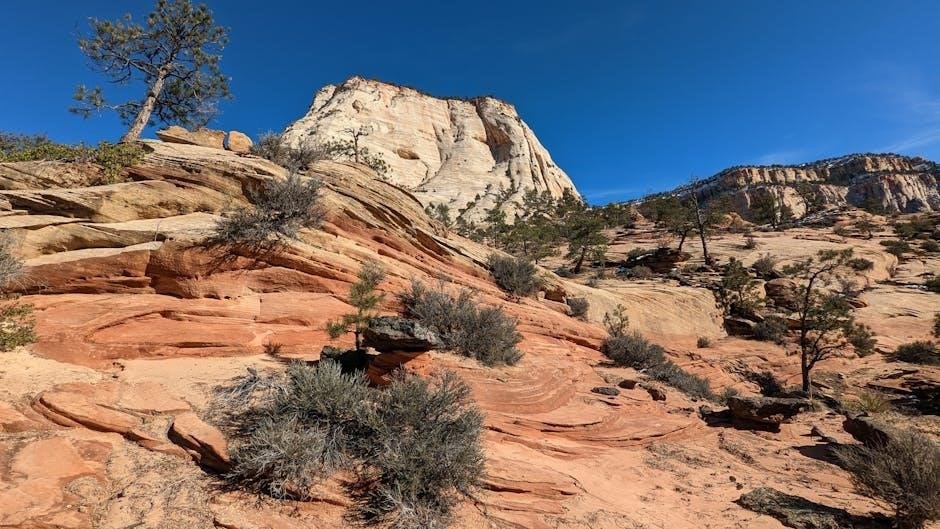
The vibrant colors of the sandstone, ranging from cream to pink to red, are due to the presence of iron oxides. Understanding Zion’s geological history enhances appreciation for its stunning beauty and fragile nature.
Navigating Zion: Maps & Resources
Effective exploration of Zion in 2018 requires utilizing available maps and resources, both physical and digital, to plan your adventures safely.
Official Zion National Park Map (2018 Version)
The official Zion National Park map, specifically the 2018 edition, remains an indispensable tool for visitors. These maps, available at the Zion Human History Museum and visitor centers, provide a detailed overview of the park’s key features, including trails, shuttle stops, campgrounds, and points of interest.
These paper maps are crucial, especially considering potential limited cell service within the canyon. The 2018 map clearly illustrates the Zion Canyon Scenic Drive, the Emerald Pools Trail, Angels Landing, and the access points for The Narrows. It also denotes elevation changes, trail difficulty, and important safety information.
Pay close attention to the map’s legend to understand the symbols used. Familiarizing yourself with the map before your hike or exploration will significantly enhance your experience and contribute to a safer visit within this spectacular landscape.
Digital Map Options (Apps & Websites)
Beyond the traditional paper map, several digital resources enhance navigation within Zion National Park. Numerous smartphone applications offer interactive maps, GPS tracking, and trail information, proving invaluable for planning and on-trail guidance. Popular choices include AllTrails, Gaia GPS, and the National Park Service app.
These apps often feature user-submitted trail conditions, recent reports, and photos, providing up-to-date insights. Websites like Zion’s official NPS page also offer downloadable maps and detailed trail descriptions. However, remember that cell service can be unreliable within the canyon, so downloading maps for offline use is essential.
Consider a portable power bank to ensure your devices remain charged throughout your exploration. Combining digital tools with the official park map provides a comprehensive and adaptable navigational strategy.
Understanding Shuttle System Maps
Zion’s shuttle system is crucial for navigating the Zion Canyon Scenic Drive during peak season. Shuttle maps, available at the visitor center and online, detail the route, stop numbers, and estimated travel times between key trailheads. These maps clearly indicate the locations of popular destinations like the Emerald Pools, Angels Landing, and The Narrows.
Pay close attention to the shuttle schedule, as frequency varies throughout the day. Understanding the different shuttle routes – often color-coded – is vital for efficient travel. Maps also highlight transfer points and potential delays. Familiarize yourself with the shuttle etiquette and rules to ensure a smooth experience for everyone.
Utilizing the shuttle system minimizes congestion and protects the park’s delicate environment, making it a sustainable travel option.
Key Areas & Trails – The Main Canyon
Zion Canyon boasts iconic trails like Angels Landing and The Narrows, alongside the scenic drive, offering breathtaking views and diverse hiking experiences for all levels.
Zion Canyon Scenic Drive
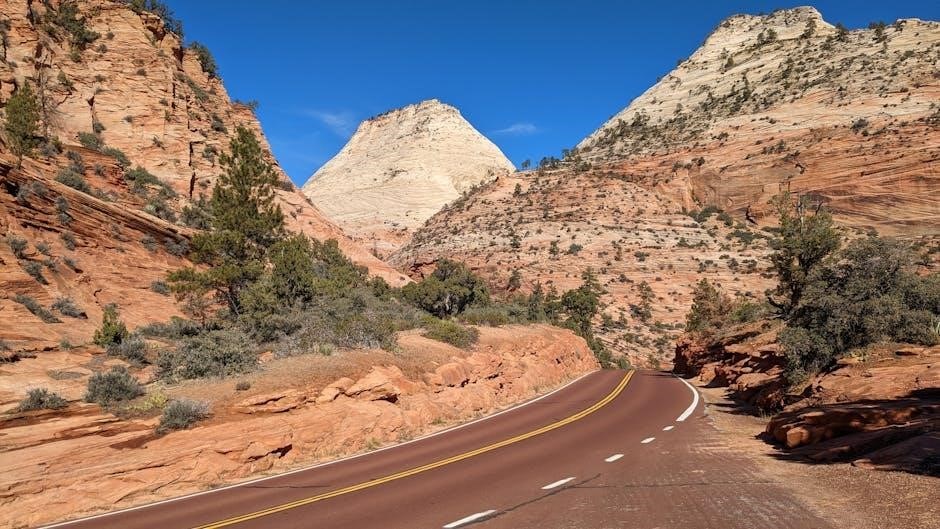
The Zion Canyon Scenic Drive, a cornerstone of any park visit, is a 6.5-mile paved road winding along the Virgin River, offering unparalleled access to the canyon’s most celebrated landmarks. During much of the year, private vehicles are restricted, necessitating the use of the park’s free shuttle system – a crucial element for navigating this popular corridor.
However, during the off-season (typically November through March, but subject to change), the Scenic Drive is often open to private vehicles, providing a more flexible exploration experience. Key viewpoints accessible from the drive include the Court of the Patriarchs, Emerald Pools Trailhead, Weeping Rock, and the Temple of Sinawava, the gateway to The Narrows.
The drive itself is a visual feast, showcasing Zion’s towering sandstone cliffs, lush vegetation, and the ever-present Virgin River. Shuttle stops are clearly marked, allowing easy access to trailheads and points of interest. Understanding the shuttle schedule and route is paramount for a smooth and enjoyable visit.
The Emerald Pools Trail
The Emerald Pools Trail, a classic Zion hike, offers a tiered experience with options for all skill levels. The trail system comprises three distinct pools: Lower, Middle, and Upper Emerald Pools, each presenting unique beauty and challenges. The Lower Pool is the most accessible, a paved, easy walk suitable for families.
The Middle Pool requires a moderate climb, rewarding hikers with closer views of waterfalls and hanging gardens. Reaching the Upper Emerald Pool demands more effort, involving steeper sections and potentially slippery conditions, but unveils a secluded oasis with stunning canyon views.
In 2018, trail conditions were generally good, though sections could be crowded, particularly during peak season. Water flow in the waterfalls varied depending on recent rainfall. Always check current conditions before embarking on this popular hike and be prepared for varying terrain.
Angels Landing (Permit Required)
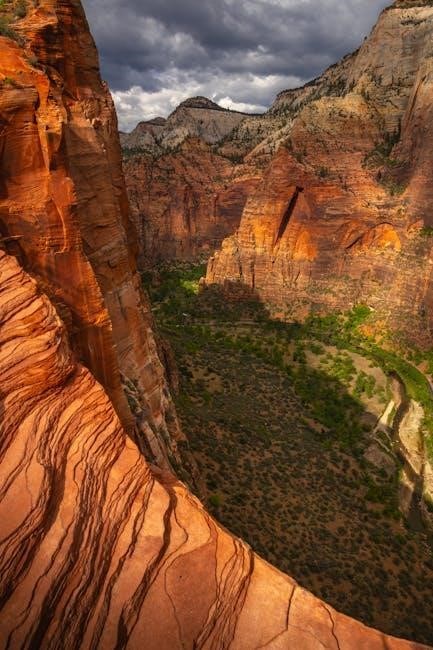
Angels Landing is arguably Zion’s most iconic, yet challenging, hike. This 5.4-mile roundtrip trail ascends 1,488 feet, culminating in breathtaking panoramic views of Zion Canyon. However, the final ascent involves navigating a narrow spine with steep drop-offs, aided by chains bolted into the rock.
In 2018, a permit system was not yet in place, leading to significant crowding and safety concerns. The trail experienced high visitation, often resulting in long wait times to access the chained section. Hikers were advised to start early to avoid peak congestion and intense heat.
Proper footwear, physical fitness, and a head for heights are essential. Be prepared for exposure to the elements and exercise extreme caution. The views are rewarding, but the hike demands respect and careful planning.
The Narrows (River Hike)
The Narrows presents a unique hiking experience – wading through the Virgin River as it carves through a narrow slot canyon. In 2018, hikers could explore The Narrows from the bottom-up without a permit for day hikes, though checking the flash flood potential was crucial.
The depth of the river varies, often reaching waist-deep or higher, requiring appropriate footwear like canyoneering shoes or sturdy sandals. A walking stick is highly recommended for stability against the current. The hike’s length is customizable, with popular turn-around points like Orderville Canyon.
Be aware of changing weather conditions and potential flash floods, even if the sky appears clear. Always check the park’s website for current conditions and warnings before embarking on this unforgettable adventure.
Beyond the Main Canyon: Exploring Zion’s Diversity
Venture beyond the popular main canyon to discover Zion’s hidden gems, including Kolob Canyons, Canyon Overlook, and the remote East Mesa Trail in 2018.
Kolob Canyons Section
Kolob Canyons, often overlooked, presents a dramatically different Zion experience, characterized by towering sandstone cliffs and a more secluded atmosphere. Located in the northwest corner of the park, this section requires a separate drive and offers a unique perspective on Zion’s geological wonders.
The five-mile scenic drive provides access to several viewpoints, including Timber Creek Overlook and Kolob Canyons Viewpoint, offering panoramic vistas of the narrow canyons carved by Kolob Creek. Hiking opportunities range from easy nature trails to more challenging climbs, such as the Taylor Creek Trail, leading to two historic cabins.
Due to its remote location and limited facilities, planning is crucial when visiting Kolob Canyons. Be prepared for varying weather conditions and ensure you have sufficient water and supplies. The Kolob Canyons Visitor Center provides maps, information, and ranger assistance.
Canyon Overlook Trail
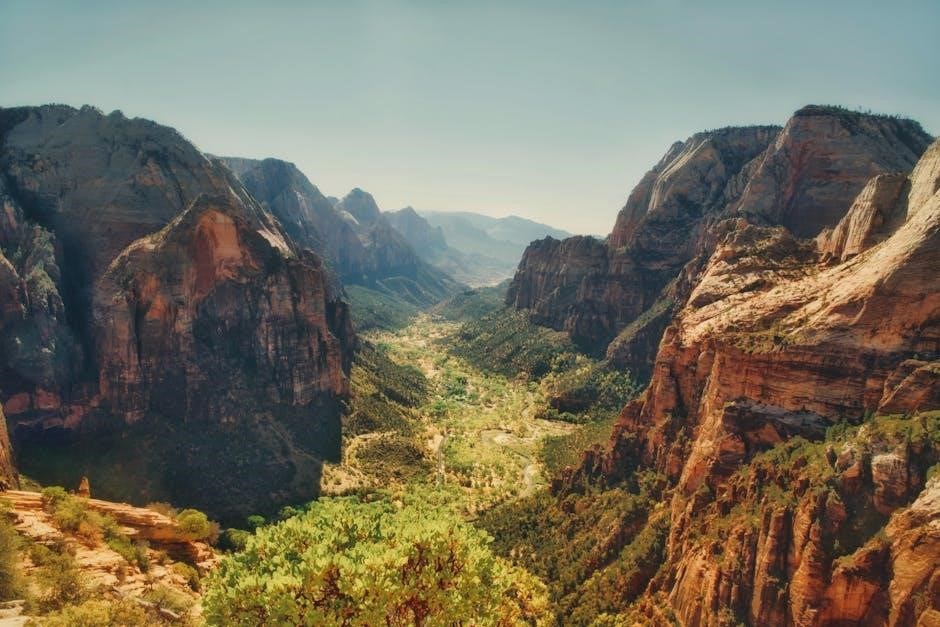
Canyon Overlook Trail, a relatively short but rewarding hike, provides arguably the most spectacular panoramic views of Zion Canyon, especially at sunrise or sunset. Located just east of the Zion-Mount Carmel Tunnel, this trail is easily accessible and popular, though parking can be limited.
The 1-mile roundtrip hike involves some moderate elevation gain and sections with exposed cliffs, requiring caution, particularly with children. The trail features carved steps and bridges, leading to a spacious overlook platform. From here, visitors can gaze upon iconic landmarks like the Virgin River, the Towers of the Virgin, and the East Temple.
Due to its popularity, arriving early or visiting during off-peak hours is recommended. The trailhead is located outside the Zion Canyon Scenic Drive area, accessible year-round by private vehicle.
East Mesa Trail
East Mesa Trail offers a more secluded and less crowded hiking experience within Zion National Park, diverging from the popular canyon floor trails. This trail is located outside the main canyon, requiring a drive on a dirt road – check conditions beforehand, especially after rain. It’s a fantastic option for those seeking solitude and unique perspectives.
The trail leads to Observation Point, providing breathtaking views overlooking Zion Canyon, comparable to those from Angels Landing but without the permit requirements or extreme exposure. The hike is approximately 6.7 miles roundtrip, with moderate elevation gain.
Be prepared for a longer drive and potentially rough road conditions. Pack plenty of water and snacks, as there are no facilities along the trail. This trail is a hidden gem for experienced hikers.
Planning Your Visit: Practical Information
Essential planning for a 2018 Zion visit includes understanding the shuttle system, securing lodging or campsites, and obtaining necessary permits for popular hikes.
Zion Shuttle System Details (2018)
During 2018, the Zion Canyon Scenic Drive was primarily accessible via the park’s free shuttle system, operating from approximately March through November. Private vehicles were restricted beyond the Zion Canyon Visitor Center during these months, enhancing visitor experience and reducing congestion.
The shuttle system featured multiple routes, including the Springdale Line connecting the town of Springdale to the park entrance, and the Zion Canyon Line servicing key trailheads like The Emerald Pools, Angels Landing, and The Narrows.
Shuttles ran frequently, typically every 15-20 minutes during peak season, with extended hours to accommodate popular sunset viewing spots. Visitors should consult the official park map and website for the most up-to-date schedules and route information. Understanding the shuttle system was crucial for efficient exploration of Zion Canyon in 2018.
Accommodation Options (Lodges & Campgrounds)
In 2018, Zion National Park offered a range of lodging choices, both within the park and in the nearby town of Springdale. Zion Lodge, the only in-park hotel, provided convenient access to the canyon floor, but required reservations well in advance due to its popularity.
Several campgrounds were available, including South Campground and Watchman Campground, also necessitating reservations, particularly during peak season. These campgrounds offered amenities like restrooms, potable water, and picnic tables.
Springdale boasted numerous hotels, motels, and vacation rentals catering to diverse budgets and preferences. Staying in Springdale provided easy access to park shuttles and a variety of dining and shopping options. Booking accommodations early was highly recommended, especially for visits during the busy summer months of 2018.
Permits & Reservations (Angels Landing, The Narrows)
During 2018, accessing Angels Landing and The Narrows required careful planning regarding permits and reservations. Angels Landing, known for its challenging hike and exposed sections, operated on a lottery system for permits, demanding applications well in advance of intended hiking dates. This system aimed to manage crowds and enhance visitor safety.
The Narrows, a unique river hike, often necessitated permits depending on the time of year and whether a top-down hike was planned. Checking the National Park Service website for current regulations was crucial.
Reservations for campsites and lodging were also strongly advised, particularly during peak season. Proactive planning ensured a smoother and more enjoyable Zion experience in 2018.
Safety Considerations & Park Regulations
Zion’s environment demands respect; hikers must prepare for intense heat, potential flash floods, and wildlife encounters, adhering to all park regulations for safety.
Hiking Safety in Zion (Heat, Flash Floods)
Zion’s desert climate presents significant hiking challenges, particularly concerning heat exhaustion and the ever-present threat of flash floods. Temperatures can soar rapidly, even in spring and fall, necessitating ample water consumption – at least one gallon per person, per day – and avoiding strenuous activity during peak heat hours.
Hikers should wear light-colored, breathable clothing, hats, and sunglasses, and apply sunscreen liberally. Be aware of the symptoms of heat exhaustion, including headache, dizziness, and nausea, and seek shade and hydration immediately if they occur.
Flash floods are a serious hazard, especially in narrow canyons like The Narrows. Check the weather forecast before your hike and be aware of potential thunderstorms upstream. Never enter a slot canyon if there is a chance of rain, and be prepared to evacuate quickly if conditions change. Monitor the sky and listen for roaring sounds, which can indicate an approaching flash flood.
Always inform someone of your hiking plans and expected return time.
Wildlife Awareness & Bear Safety
Zion National Park is home to a diverse array of wildlife, including mule deer, wild turkeys, and various reptiles. While bear encounters are relatively rare, it’s crucial to be aware and prepared. Black bears are present in the park, and while generally shy, they can be attracted by food odors.
Proper food storage is paramount. All food, trash, and scented items must be stored in bear-resistant canisters or hung properly from a tree, at least 10 feet off the ground and 4 feet from the trunk. Never feed wildlife, as this habituates them to humans and can lead to dangerous encounters.
If you encounter a bear, remain calm. Make yourself appear large, make noise, and slowly back away. Do not run; Carry bear spray and know how to use it. Report any bear sightings to park rangers to help monitor bear activity and ensure visitor safety.
Respect wildlife and maintain a safe distance at all times.
Leave No Trace Principles
Zion National Park’s delicate ecosystem requires conscientious stewardship from all visitors. Practicing Leave No Trace principles is essential for preserving its beauty for future generations. Plan ahead and prepare; know the regulations and potential hazards before your visit;
Travel and camp on durable surfaces, sticking to established trails and campsites. Dispose of waste properly – pack out everything you pack in, including trash, food scraps, and toilet paper. Minimize campfire impacts by using established fire rings or stoves.
Respect wildlife by observing from a distance and never feeding them. Be considerate of other visitors, minimizing noise and respecting their experience; Leave what you find, preserving the natural and cultural resources of the park. By adhering to these principles, you contribute to the long-term health of Zion.
Protect this incredible landscape!
Zion in 2018: Specific Events & Conditions
In 2018, Zion experienced high visitation, impacting trail conditions and necessitating shuttle usage; reported closures occurred due to seasonal factors and maintenance.
2018 Park Visitation Statistics
Zion National Park witnessed a significant surge in popularity during 2018, attracting a substantial number of visitors eager to experience its breathtaking landscapes. The park recorded an impressive 3.6 million recreation visits throughout the year, marking a continued upward trend in attendance. This figure represented a considerable increase compared to previous years, placing a strain on park resources and infrastructure.
Peak visitation occurred during the spring and fall months, coinciding with favorable weather conditions. Summer months, despite the intense heat, also drew large crowds. The increased number of visitors necessitated the implementation of the mandatory shuttle system within Zion Canyon, aiming to mitigate traffic congestion and enhance the visitor experience. Park officials closely monitored visitation patterns to optimize resource allocation and ensure visitor safety. Understanding these statistics is crucial for planning future visits and appreciating the park’s growing appeal.
Trail Closures & Conditions (Reported in 2018)
Throughout 2018, Zion National Park experienced several temporary trail closures and varying conditions due to natural events and necessary maintenance. The Narrows frequently faced closures related to high water flows and potential flash flood risks, requiring hikers to check conditions before entering the canyon. Sections of Angels Landing were intermittently closed for maintenance and safety inspections, impacting permit availability.
The Emerald Pools Trail also experienced periodic closures due to rockfall hazards, particularly after periods of heavy rainfall. Hikers were advised to be cautious of slippery conditions and potential debris on trails throughout the park. Park rangers diligently monitored trail conditions and provided updates to visitors via the park website and visitor centers. Staying informed about these closures and conditions was vital for a safe and enjoyable hiking experience in Zion during 2018.